Search



WORLDWIDE SHIPPING
fast, flexible, secure options

ONLINE SUPPORT 24 / 7
anytime, anywhere help

MONEY BACK GUARANTEE
shop with confidence

WIDE SELECTION
every day low prices
Household Articles & Supplies
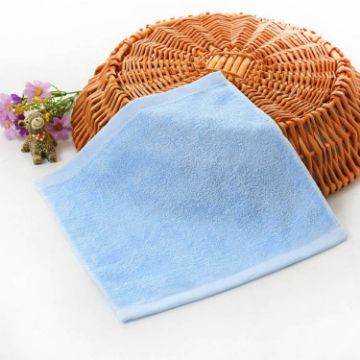
2 PCS Wood Fiber Small Square Dish Towel (Blue)
- Feature:Soft and High Water Absorption
- Material:Microfiber
- Description:
- Applicable object: pot / bowl
- Pattern: solid color
- Non-stick, easy to clean
- Does not shed hair
- Unit weight: 0.025 kg
£3.95 £4.81
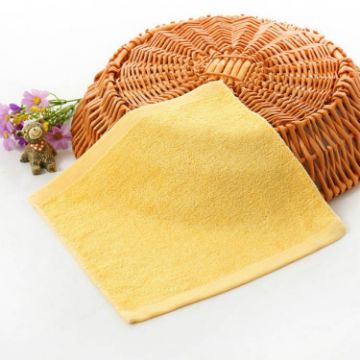
2 PCS Wood Fiber Small Square Dish Towel (Yellow)
- Feature:Soft and High Water Absorption
- Material:Microfiber
- Description:
- Applicable object: pot / bowl
- Pattern: solid color
- Non-stick, easy to clean
- Does not shed hair
- Unit weight: 0.025 kg
£3.95 £4.65
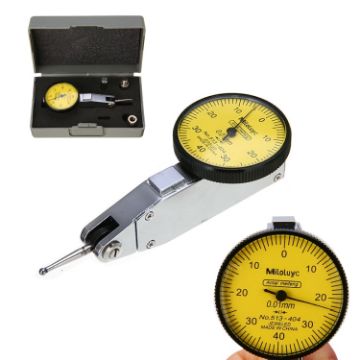
Precision Metric Shockproof Waterproof Lever Small Dial Measuring Instrument Tool
- Max Measuring Range:0-0.8mm
- Dial Indicator Style:Vertical
- Accuracy:0.01mm
- Material: metal
- Dial diameter: about 3.2 cm
- Accurately and conveniently measure narrow or concave objects, while dial gauges are difficult to measure the size of the inner and outer diameters. The non-clutch structure is used to achieve automatic rotation of the measurement direction. Dovetail mount for mounting indicators from the top, rear or front. Durable, accurate measurement, high sensitivity and fast response.
- The dial test indicator is designed for processing, layout and inspection of work measurements. The dial has a fine black scale of 0-40-0 balanced inch readings and a red scale of 0.001 mm balanced measurement readings.
- Magnetic pointers and stylus can be used reliably in magnetic environments.
£9.49 £11.20

Kitchen Cute Love Heart Pattern Soft Hand Towel Cleaning Dish Microfiber Wipe Table Cloth (Blue)
- Pattern:Printed
- Model Number:Hand Towel
- Size: 40x21cm
- Material : Microfiber
- Gram weight: 26g
- Water absorption: 5s-10s
- Packing: OPP bag
- Features: Soft to the touch / good water absorption
£3.37 £4.11
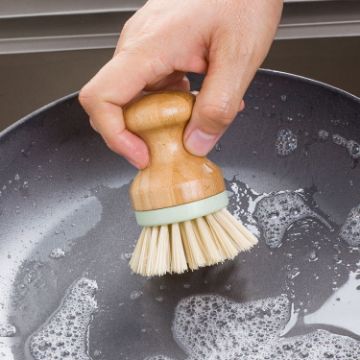
Multifunctional Tool Kitchen Cleaning Brush Wooden Handle Dish Scrubber Pot Pan Dishwasher, Material:Solid wood
- Style:Hand
- description:
- Solid wood round pot brush, dishwashing brush, kitchen cleaning brush
- Suitable for cleaning clothes, shoes, sofas, floors, etc.
- The bristles are made of recycled plastic and can be used for many years with very little maintenance.
- Product Name: Scrub Brush
- Color: brown
- Material: solid wood + PP line
£4.49 £5.61
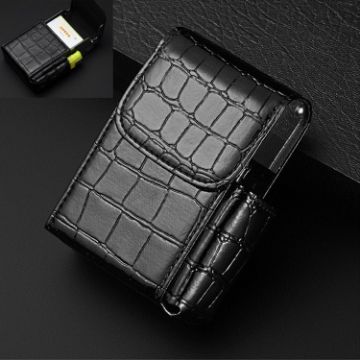
PU Leather Cigarette Case Lighter Case Business Card Case (Stone Pattern Black)
- Description:
- Material: stainless iron + PU
- Weight: about 70 grams
- Size: 90x65x13 mm
- Capacity: 20 cigarettes
- Function: can hold cigarettes, cigarette cases, lighters, business cards. Compact and easy to carry, preventing smoke from crushing and deforming.
£6.31 £7.82
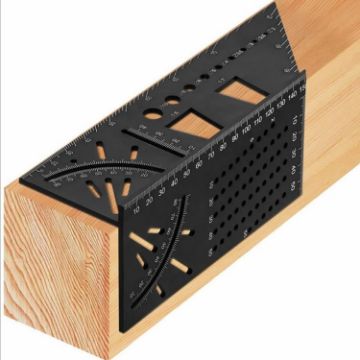
3D Woodworking Stop Gauge Aluminum Alloy Multi-function Angle Ruler
- Function: T-shaped line drawing, square ruler, protractor, dovetail tenon, circular hole, parallel line, circular hole positioning
- 15.5 cm scale
- 2-55mm parallel line drawing positioning hole
- Suitable for drawing lines before cutting at 45 degree angle for square, hollow, solid materials
- Material: aluminum alloy
- Dimensions: 215 x 62 x 73mm
£8.65 £10.30
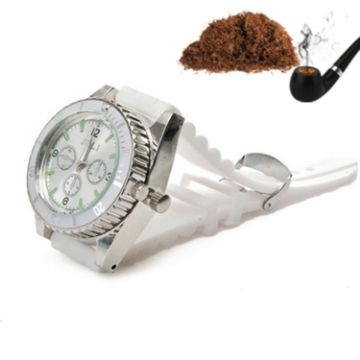
Creative Portable Metal Watch Wristband Smoke Grinder (White)
- Description:
- Material: zinc alloy
- Weight: 120g
- Size: 42x250mm (diameter x length)
- Advantages: it can be used to grind tobacco, can also be used as a gift to relatives and friends, and can also be used as a souvenir and prize when the company organizes activities, and also has the function of a watch.
- Packaging: display box packaging
£7.90 £9.72
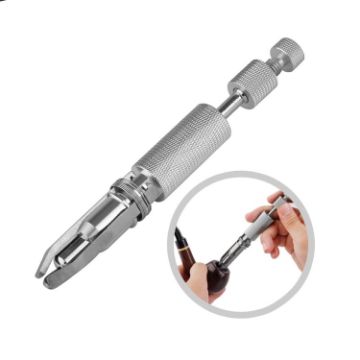
Adjustable Carbon Trimmer With Through Needle
- Description:
- Material: metal
- Dimensions: 143 mm in length and 19 mm in outer diameter (errors may exist, please forgive me)
- Weight: 99 grams
- There are 3 sections of carbon repair handles with diameters of 13MM, 15MM, and 19MM. The 13MM screw is a spiral drill through needle for cleaning the flue; the 15MM shank is a screw that adjusts the size of the carbon trimmer. First, turn the 15MM handle to adjust it to the bottom of the bowl. Then, adjust the 15MM handle to make it close to the bucket wall. Finally, remove the carbon layer easily by rotating the carbon knife one week later.
- After using the pipe for a period of time, the carbon deposits will become thicker and thicker and uneven. If the charcoal cake is too thick, it will naturally occupy the space of tobacco; more importantly, the different thickness of the char layer will cause uneven heating of the wood in the bowl and cause cracking! Therefore, the charcoal cake needs to be trimmed regularly. Using this carbon repair device is not easy to hurt the fragile bowl bottom, you can fine-adjust the angle, gently, not hurt the wooden structure of the bowl wall, nor over-correction, peel off the accumulated carbon deposits. The ideal thickness of the carbon deposit layer is 1.5mm-2mm (depending on factors such as bucket size and bowl wall thickness).
£10.44 £12.00
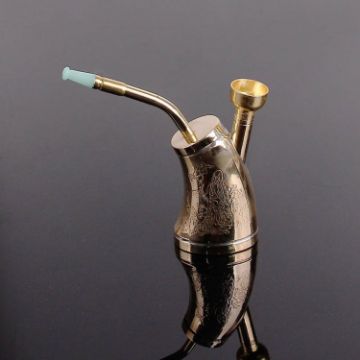
Portable Hand-Held Handmade Men Cigarette Filter Hookah
- Shape:Bent Type
- Material: metal
- Applicable gifts occasions: awards commemoration, festivals, trade fairs, weddings, birthdays, business gifts
- Feature:
- Easy to clean, pocket size
- Modern and beautiful design
- Stylish pipe, compact and ergonomic
- Durable, can be used repeatedly for a long time
£6.26 £7.45
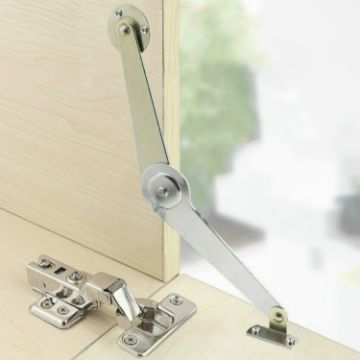
Two-folded Strut Folding Lever Door Support Furniture Connector, Specification:9 Inchs Lever
- Scope:Door Support Furniture Fittings Furniture Levers
- Product Material:Iron
- Description:
- Name: two-section folding rod
- Product color: nickel plating
- Thickened material, durable
- Strong bearing capacity
- Beautiful and generous
£4.12 £4.78
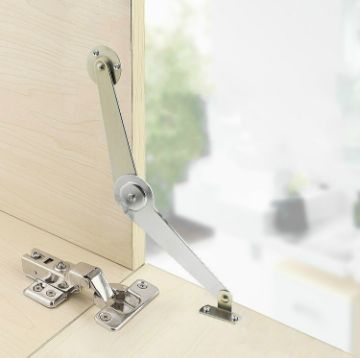
Two-folded Strut Folding Lever Door Support Furniture Connector, Specification:5 Inchs Lever
- Scope:Door Support Furniture Fittings Furniture Levers
- Product Material:Iron
- Description:
- Name: two-section folding rod
- Product color: nickel plating
- Thickened material, durable
- Strong bearing capacity
- Beautiful and generous
£3.80 £4.75

NEED HELP?
Payment options
